TRAINING &
EDUCATION
Digital evidence is frequently lost, reduced, misinterpreted, or presented without the technical context needed to evaluate it.
4D Forensics provides practical training for attorneys, investigators, agencies, and forensic professionals on preserving multimedia evidence, requesting the right files, understanding forensic reports, recognizing limitations, and using technical findings effectively in litigation and investigation.
TRAINING &
EDUCATION
Digital evidence is frequently lost, reduced, misinterpreted, or presented without the technical context needed to evaluate it.
4D Forensics provides practical training for attorneys, investigators, agencies, and forensic professionals on preserving multimedia evidence, requesting the right files, understanding forensic reports, recognizing limitations, and using technical findings effectively in litigation and investigation.
TRAINING &
EDUCATION
Digital evidence is frequently lost, reduced, misinterpreted, or presented without the technical context needed to evaluate it.
4D Forensics provides practical training for attorneys, investigators, agencies, and forensic professionals on preserving multimedia evidence, requesting the right files, understanding forensic reports, recognizing limitations, and using technical findings effectively in litigation and investigation.
IN-PERSON INSTRUCTOR-LED
Live training in our professional labs with hands-on exercises.
VIRTUAL-INSTRUCTOR LED
Interactive live sessions from anywhere with expert instruction & support.
ON-DEMAND TRAINING
Self-paced courses you can access anytime, anywhere to build your skills.
ON-SITE TRAINING
Customized training brought to your agency or organization.
Training Audiences
Attorneys & Legal Teams
Training can focus on discovery requests, preservation, expert retention, deposition questions, interpretation of reports, authentication issues, enhancement limits, and the use of demonstrative exhibits.
Investigators & Agencies
Programs can address scene and device documentation, surveillance export, file preservation, chain of custody, collection mistakes, timestamp issues, and preparation of evidence for laboratory examination.
Forensic & Technical Professionals
Advanced sessions can address workflow design, video, image, audio, metadata, 3D evidence, documentation, reporting, validation, and courtroom communication within the instructor's demonstrated expertise.
Suggested training modules
- Preserving video, audio, and image evidence
- Requesting native files and proprietary player software
- Avoiding quality loss during export and transfer
- Understanding codecs, metadata, timestamps, and file history
- What forensic enhancement can and cannot do
- Foundations of video and audio authentication
- Evaluating AI-generated and manipulated media claims
- Reading a forensic report and testing its assumptions
- Preparing to depose a digital media expert
- Building accurate timelines from multiple recordings
- Using 3D models and demonstratives responsibly
- Presenting technical evidence to a judge or jury
Comprehensive Training Across Key Disciplines

VIDEO FORENSICS
Enhancement and clarification from surveillance footage, body cameras, and other video sources.
Learn More...
AUDIO FORENSICS
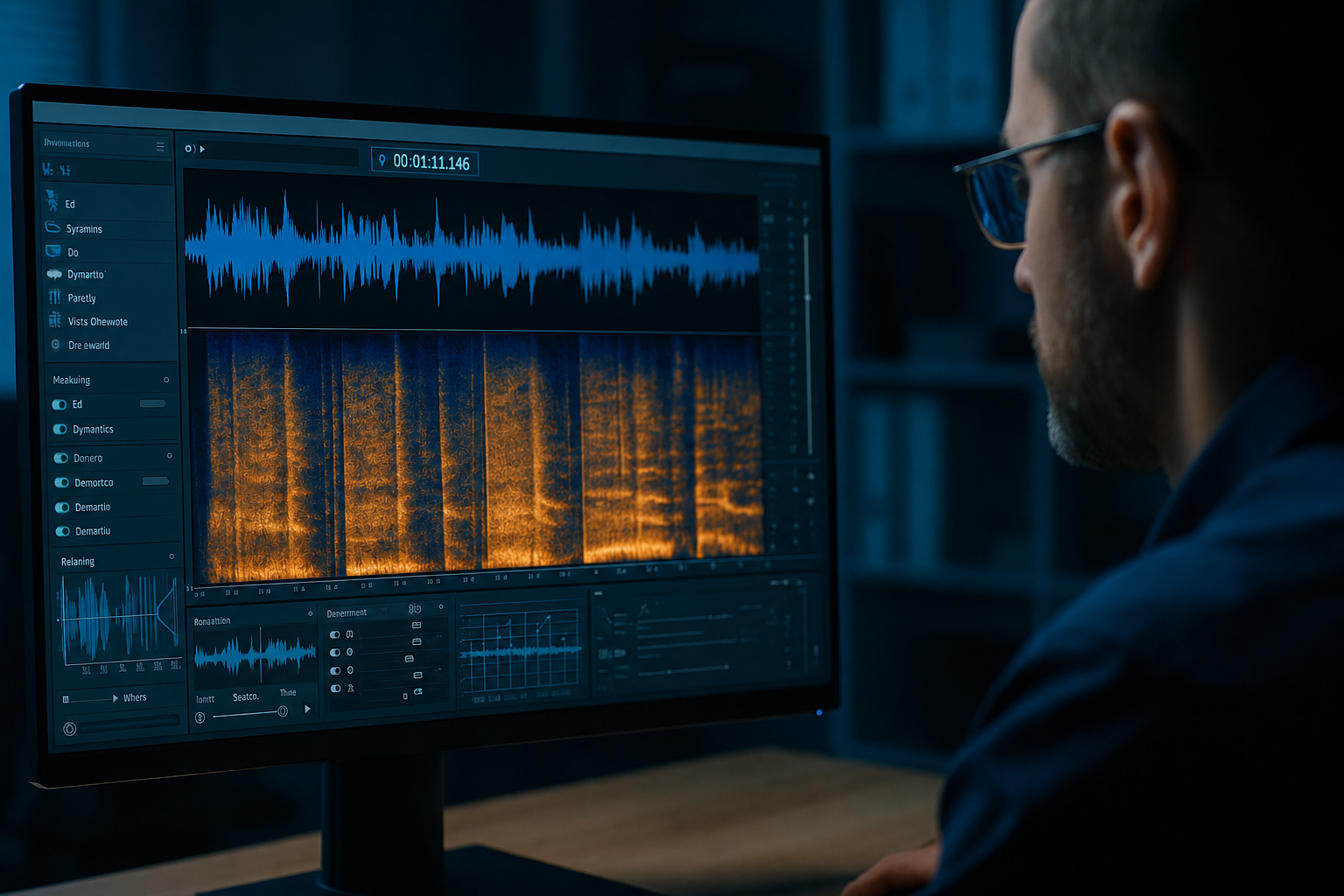
Enhancement of audio recordings for speech intelligibility, and acoustic/timing analysis for critical evidence.
Learn More....

IMAGE FORENSICS
Authentication of digital images, detection of manipulation, and extraction of metadata for evidence verification.
Learn More...
3D FORENSICS
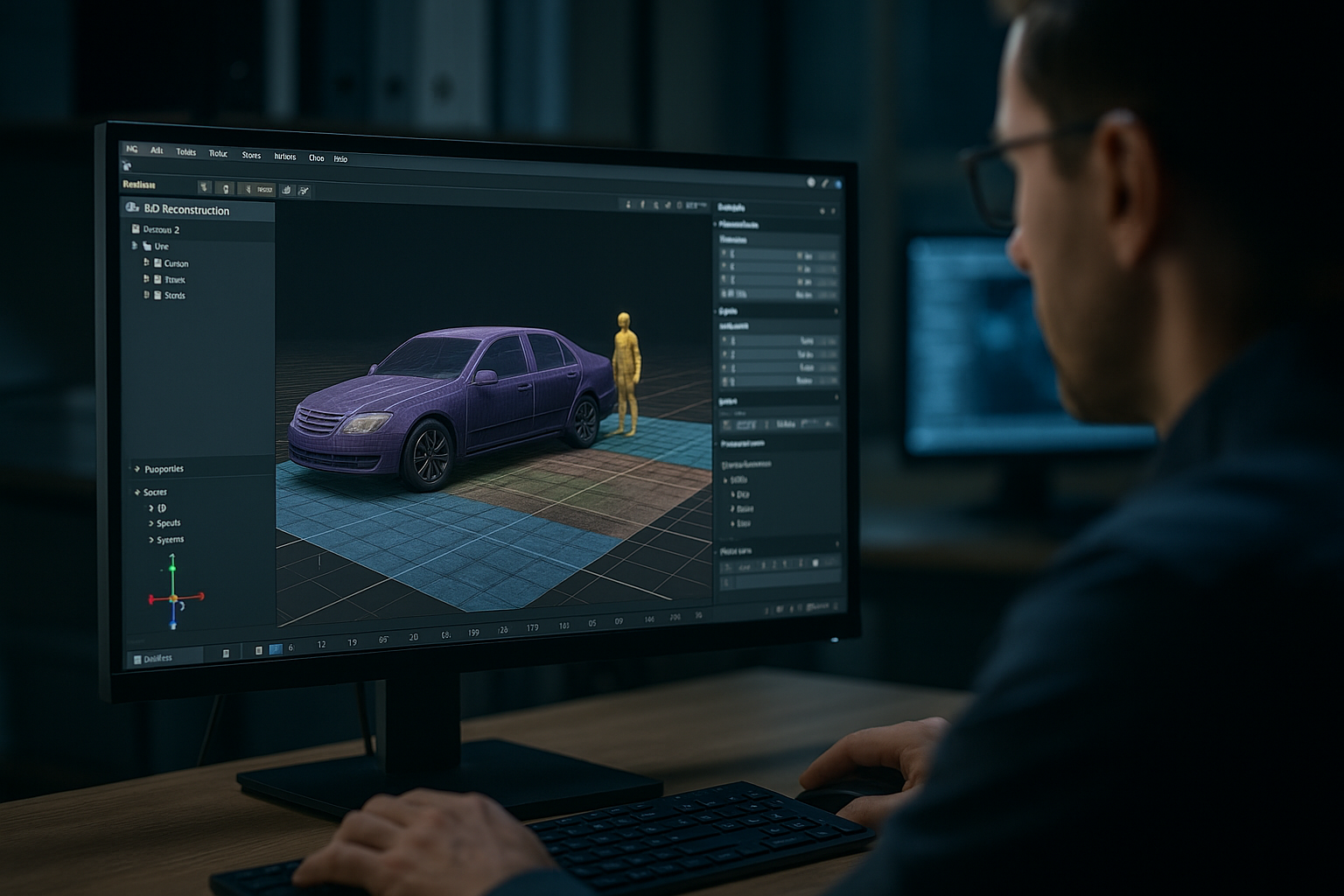
Advanced scene reconstruction and modeling, spatial and dimensional analysis, and forensic visualization for comprehensive case understanding.
Learn More...
DVR DATA RECOVERY
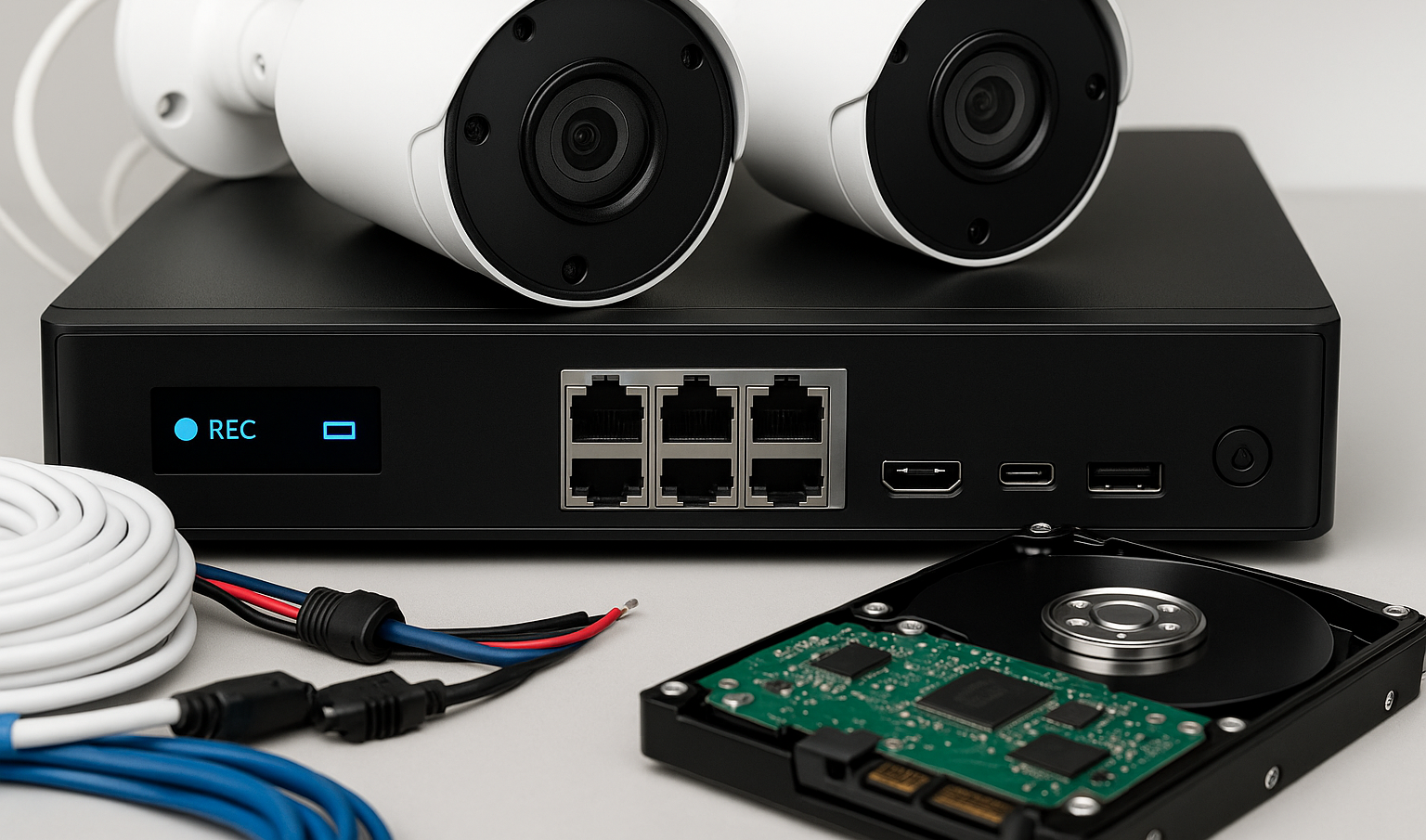
Proper extraction of video evidence DVR’s, even from damaged, corrupt, or password- protected devices.
Learn More...

EXPERT TESTIMONY
Court-qualified experts who can effectively communicate complex technical findings to judges and juries.
Learn More...
How a Custom Program is Developed
1. Identify The Audience & Decisions They Make
A useful program starts with the participants' actual responsibilities, not a generic overview of forensic software.
2. Select Relevant Evidence Types & Scenarios
The curriculum is built around the recordings, devices, discovery issues, and courtroom questions the team encounters.
3. Combine Explanation With Practical Exercises
Participants should review examples, identify preservation risks, evaluate source quality, and practice asking better technical questions.
4. Provide Usable
Reference Material
The program may include checklists, evidence intake guides, sample request language, terminology references, or decision aids when included in the engagement.
1. Identify The Audience & Decisions They Make
A useful program starts with the participants' actual responsibilities, not a generic overview of forensic software.
2. Select Relevant Evidence Types & Scenarios
The curriculum is built around the recordings, devices, discovery issues, and courtroom questions the team encounters.
3. Combine Explanation With Practical Exercises
Participants should review examples, identify preservation risks, evaluate source quality, and practice asking better technical questions.
4. Provide Usable
Reference Material
The program may include checklists, evidence intake guides, sample request language, terminology references, or decision aids when included in the engagement.
Outcomes for Legal Teams
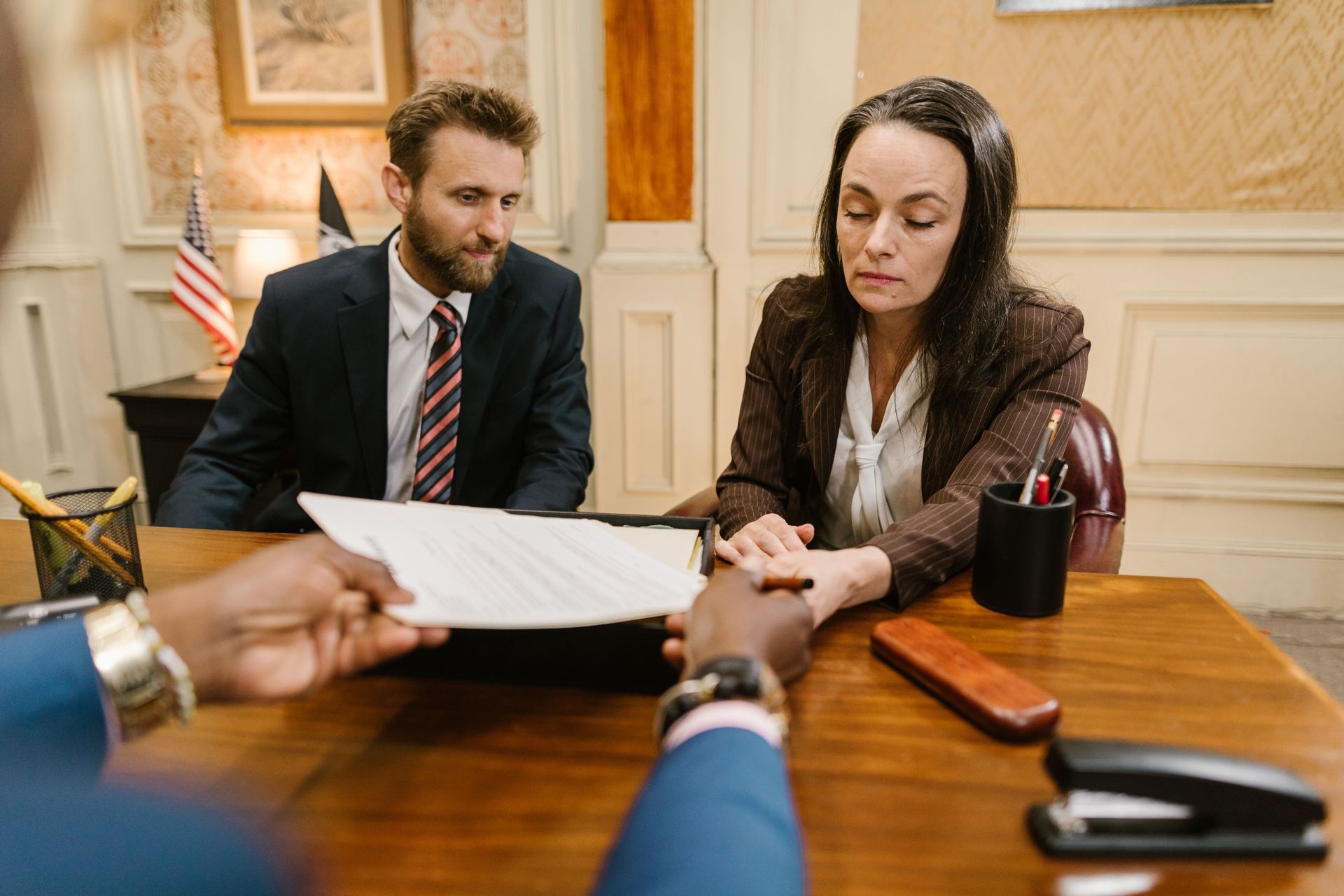
- Recognize when a forensic expert may be needed.
- Preserve the strongest available source evidence.
- Ask for native exports instead of reduced-quality clips.
- Identify common timestamp and playback problems.
- Evaluate enhancement and authentication claims critically.
- Understand the difference between observation, interpretation, and opinion.
- Use technical visuals without overstating the evidence.
- Prepare focused questions for deposition or trial.
Frequently Asked Questions About Forensic Training
Can training be based on our case types?
Yes. The most useful programs are tailored to the agency's or firm's needs, legal issues, and evidence encountered.
Can you train a mixed group of attorneys and investigators?
Yes, but our agenda will identify shared topics and role-specific breakouts so each group receives practical instruction.
Do participants need technical experience?
Not for introductory legal and investigator programs. Advanced practitioner training may require defined prerequisites.
Can the session use active case evidence?
Potentially, subject to authorization, confidentiality, privilege, protective orders, and a clearly defined instructional purpose. Representative or anonymized examples may be more appropriate.
How We Train You
We offer training programs designed for legal professionals, investigators, and forensic practitioners. Our courses cover best practices in digital evidence handling, forensic video analysis, image and audio forensics, metadata preservation, and 3D scene reconstruction.
- In-Person or Virtual Instruction Tailored to Client Needs
- Practical Exercises Using Forensic Tools and Techniques
- Case-Based Learning Drawn from Real-World Experience
- Guidance on Avoiding Common Pitfalls in Evidence Handling
- Hands-On Workshops with Practical Demonstrations
- Instruction on Interpreting Forensic Reports with Clarity
- Application of Forensic Evidence in Effective Legal Strategy
- Customized Programs for Attorneys, Investigators, and Forensic Professionals
